How to Prepare for a Long, Epic Canadian Road Trip Efficiently
Abhilasha / February 9, 2026
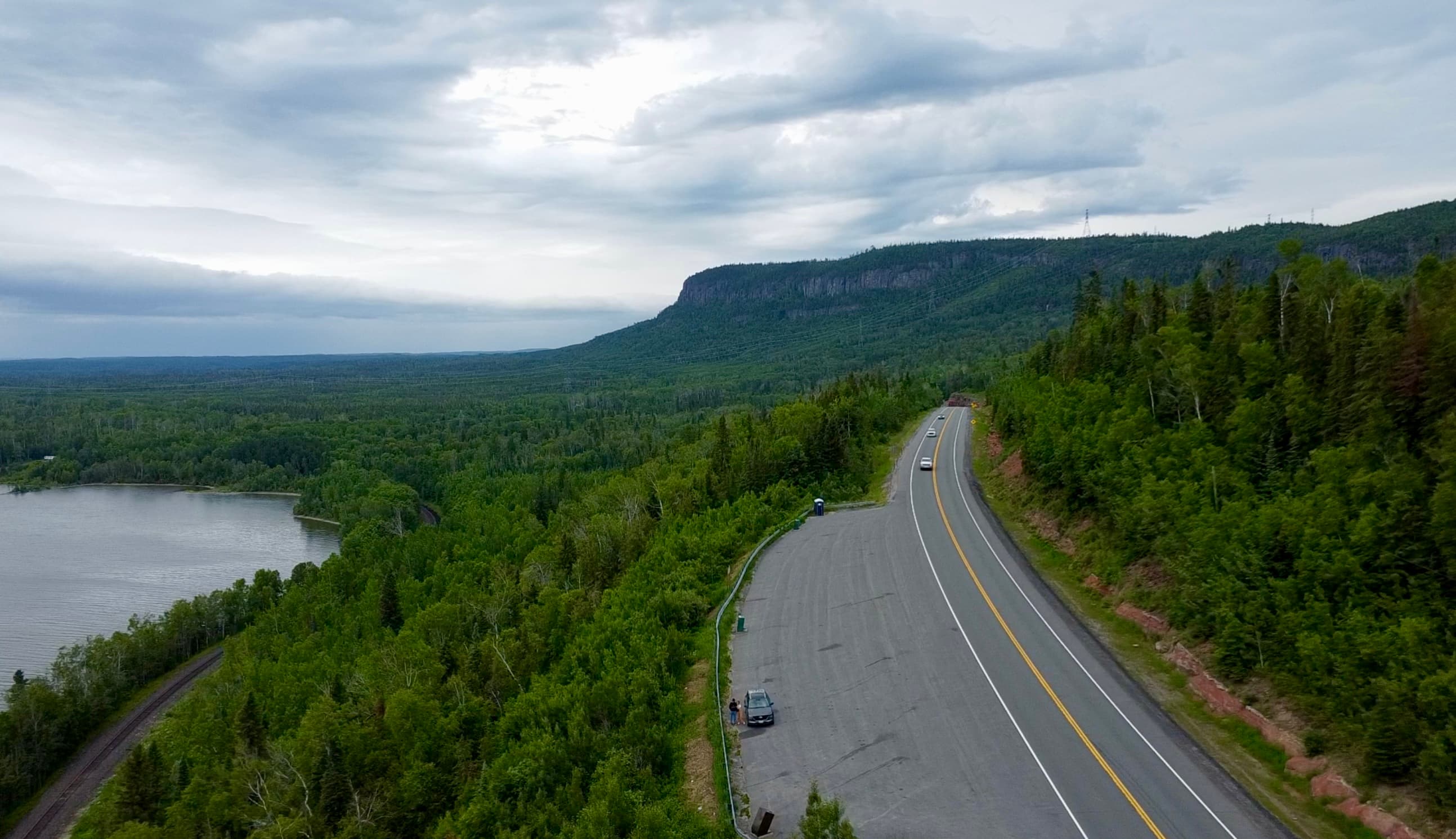
Planning to drive across Canada or tackle one of its legendary long‑distance routes? From the coastal roads of British Columbia to the northern highways through Ontario and the rugged beauty of the Atlantic provinces, a Canadian road trip is one of the most epic ways to experience the country’s vast landscapes and local culture.
Here’s everything you need to know to plan, pack, and enjoy a smooth cross‑country adventure. If you're short on time, click here for the TL;DR part of the blog.
Pick the Right Vehicle for the Journey

Canada’s terrain changes dramatically - from smooth city highways to gravel roads leading to waterfalls or mountain viewpoints. A reliable SUV or 4x4 offers stability and freedom to explore beyond the pavement. Before you start your trip, check your tires, lights, and brakes, and make sure your spare tire and toolkit are in good condition.
Drive Safely and Watch for Wildlife
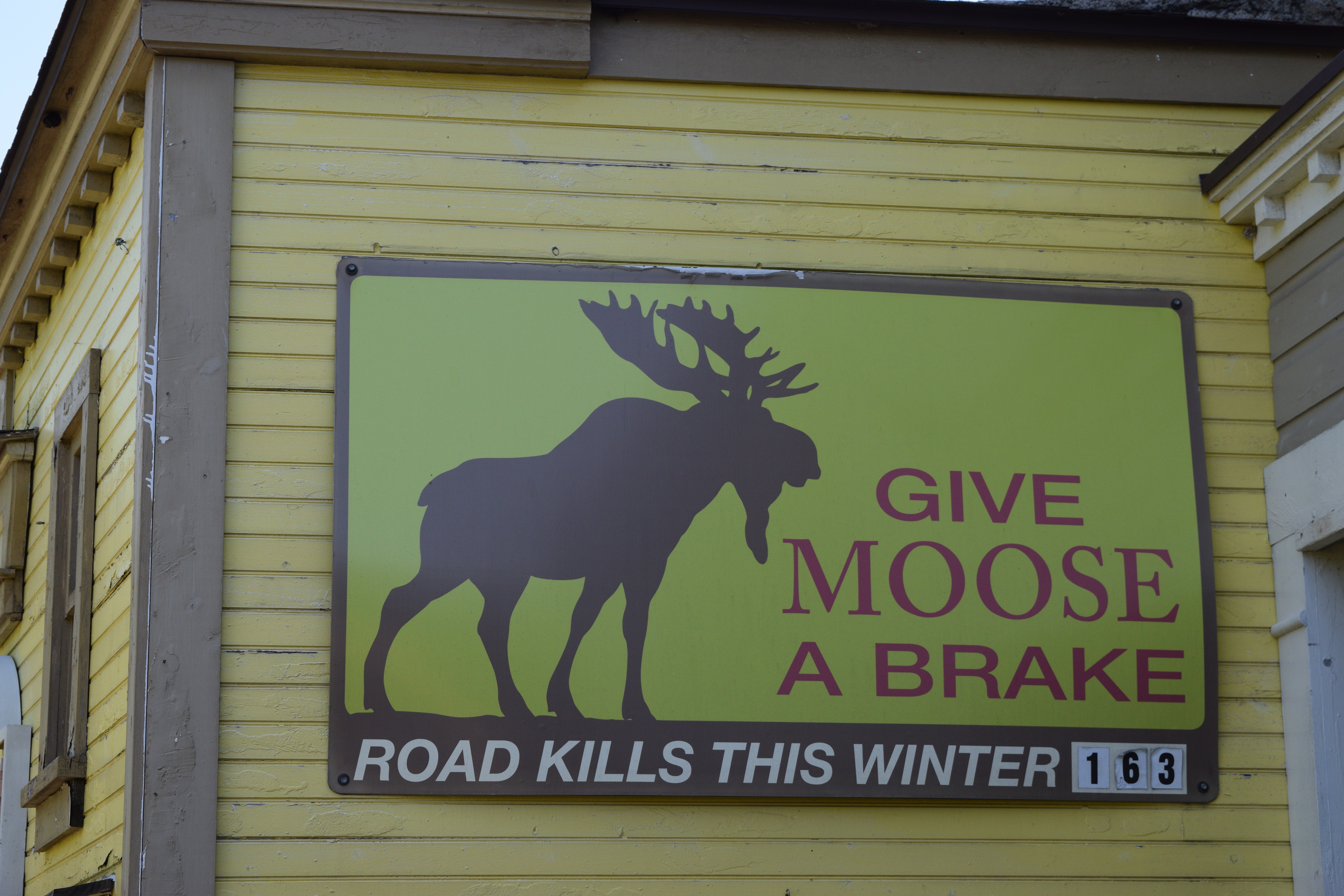
Whether crossing the Prairies or cruising through northern forests, wildlife encounters are part of the Canadian road experience. Avoid driving at night if possible - animals like moose, deer, and elk are far more active after sunset. Respect wildlife warning signs and manage your speed through remote roads where visibility drops. Trust me, those roadsigns of wildlife ahead are NOT exagerrating at all!
Plan for Connectivity and Navigation

Don’t depend on cell coverage - vast parts of Canada have little to no signal, particularly in northern and coastal regions. Before you leave, download offline maps using Google Maps and line up an offline playlist or podcast for the quiet stretches.
If traveling alone or heading into remote areas, consider carrying a satellite phone or GPS communicator for emergencies.
Check the Weather and Prepare for Changing Conditions

Canada’s weather is unpredictable - a sunny morning can turn foggy or cold within hours. Before your drive, check road and weather conditions on provincial sites like Ontario 511, DriveBC, or Alberta 511. Pack essentials such as plenty of water, snacks, a flashlight, and an emergency kit. Dress in layers, and be prepared for temperature swings throughout the day, even in summer.
If you’re hitting the road during warmer months, bring bug spray. The insects in the north are big and relentless. You’ll also need a good windshield cleaning spray, because after hours of driving, bugs tend to coat the glass and regular wipers won’t clear them.
Make Frequent Stops and Leave Time for Detours
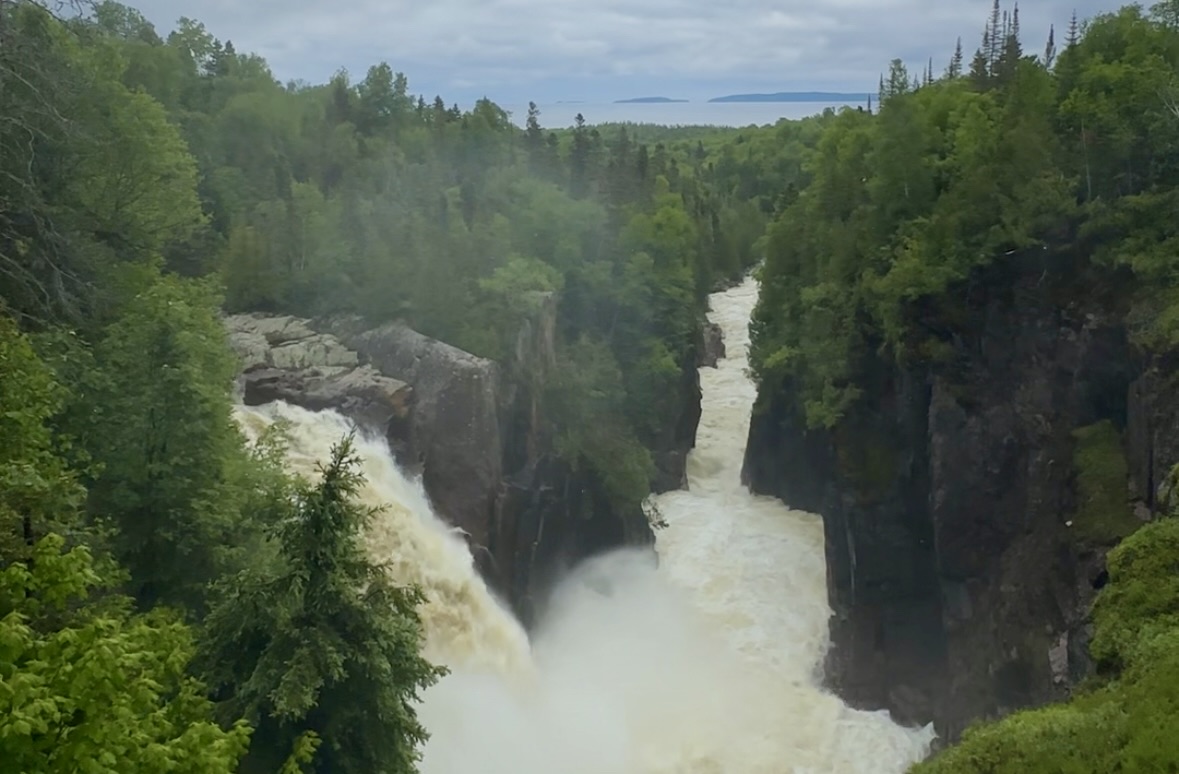
A Canadian road trip isn’t meant to be rushed. Take frequent breaks to rest and absorb the scenery, and budget extra time for detours to explore spontaneous stops - a waterfall, a small-town café, or a beach you spot from the highway. Some of the best memories come from these unplanned moments that capture Canada’s character and beauty.
Also, fill up the tank whenever you can, especially before remote or rural stretches. Gas stations can be few and far between on long cross‑country routes, and running low can quickly turn into a stressful situation when you’re hours from the next town. If you're worried about not making it to the next gas station due to tank size or remoteness of your trip, consider investing in gas cans.
Wrapping Up Your Canadian Road Trip
A long cross‑country road trip across Canada is more than just a drive - it’s an experience of wide‑open landscapes, diverse climates, and welcoming people. With a bit of planning, smart packing, and flexibility, you’ll create an adventure that’s uniquely yours. So fuel up, download your maps, and start your engine!
TL;DR
- Choose a reliable SUV or 4x4 and check tires, lights, brakes, and spare before you leave.
- Pack bug spray and a windshield cleaning spray.
- Avoid driving at night where possible; wildlife like moose and deer are active and road‑crossing signs are accurate.
- Expect little or no cell coverage on many routes; download offline maps and an offline music or podcast playlist.
- Consider carrying a satellite phone or GPS communicator if traveling solo into remote areas for extra safety.
- Check weather and road conditions via provincial sites before and during your trip.
- Keep your gas tank full, stations can be sparse on long stretches, so refuel whenever you can.
- Pack essentials: water, snacks, flashlight, basic first‑aid kit, warm layers, and emergency supplies.
- Dress in layers, Canadian temperatures can swing quickly, even on the same day.
- Take frequent breaks to stay alert and reduce driving fatigue.
- Budget time for fun detours that make the trip even more memorable.